Size Guide
Comprehensive sizing information for gaylord boxes, pallets, and IBC totes. Find the right dimensions for your needs.
Request a Quote
Quick Size Reference
The most common sizes for each product type. Most orders use these standard dimensions.
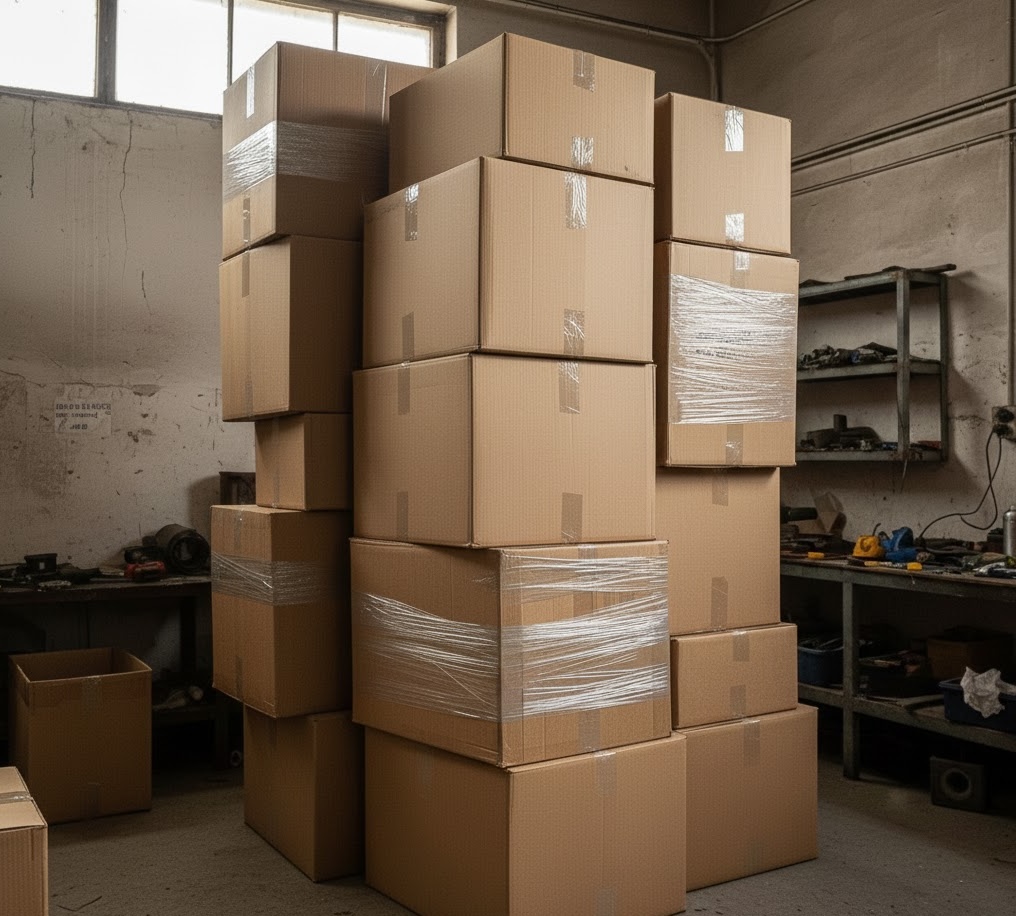
Gaylord Boxes
48" x 40" x 36"
Standard size, fits GMA pallet
2,200 lb capacity, 40 cu ft
Pallets
48" x 40"
GMA standard, most common
30% of all pallets in NA
IBC Totes
275 Gallon
Standard industrial size
48" x 40" x 46" overall
Gaylord Box Sizes
Gaylord boxes (bulk bins) come in various sizes to accommodate different products and pallet configurations. Dimensions shown are inside measurements.
| Dimensions (L x W x H) | Name | Weight Capacity | Volume | Best Use | Popularity |
|---|---|---|---|---|---|
| 48" x 40" x 36" | Standard Full | 2,200 lbs | 40 cu ft | Most common size, fits standard GMA pallet | Most Popular |
| 48" x 40" x 48" | Tall Standard | 2,000 lbs | 53 cu ft | Lightweight bulk materials, extra volume | Very Common |
| 48" x 40" x 24" | Half Height | 2,500 lbs | 27 cu ft | Heavy dense materials, limited height clearance | Common |
| 48" x 45" x 34" | Automotive | 2,500 lbs | 42 cu ft | Auto industry standard, CMA pallet compatible | Industry Specific |
| 40" x 32" x 34" | Half Size | 1,500 lbs | 25 cu ft | Smaller operations, reduced footprint | Specialty |
| 36" x 36" x 36" | Square | 1,800 lbs | 27 cu ft | Square format for specific applications | Specialty |
| 48" x 40" x 42" | Extended Height | 2,100 lbs | 47 cu ft | Balance of volume and weight capacity | Common |
| 48" x 44" x 38" | Wide Body | 2,300 lbs | 46 cu ft | Wider footprint for specific racking | Specialty |
Gaylord Wall Types & Strength
Wall construction determines strength and weight capacity. ECT (Edge Crush Test) rating indicates compression strength in pounds per linear inch.
Single Wall
3 layersOne corrugated medium between two liners. Economical but limited strength.
ECT Rating: 23-55 lb/in
Load Type: Light
Best For: Light products (under 20 lbs/cu ft), internal use only
Common Applications:
Double Wall
5 layersTwo corrugated mediums and three liners. Best balance of strength and cost.
ECT Rating: 48-82 lb/in
Load Type: Medium
Best For: Most industrial applications (20-50 lbs/cu ft)
Common Applications:
Triple Wall
7 layersThree corrugated mediums and four liners. Maximum strength for heavy loads.
ECT Rating: 67-112 lb/in
Load Type: Heavy
Best For: Heavy industrial loads (50+ lbs/cu ft)
Common Applications:
Pallet Sizes by Industry
Different industries have adopted various pallet sizes as standards. The 48x40 GMA pallet accounts for nearly a third of all pallets in North America.
| Size (L x W) | Common Name | Industry | Notes | Market Share |
|---|---|---|---|---|
| 48" x 40" | GMA Pallet | Grocery, General Retail | Most common in North America - 30% of all pallets | 30% |
| 42" x 42" | Telecom Pallet | Telecom, Paint, Hardware | Square format for specific applications | 8% |
| 48" x 48" | Large Square | Drums, Barrels, Heavy Equipment | For larger containers and machinery | 11% |
| 48" x 45" | Automotive | Auto Industry | CMA standard for auto parts | 5% |
| 36" x 36" | Beverage | Beverage Industry | Smaller footprint for beverages | 5% |
| 44" x 44" | Drum Pallet | Chemical, Oil & Gas | Fits 55-gallon drums perfectly | 6% |
| 48" x 42" | Chemical | Chemical Industry | CPA standard for chemical sector | 4% |
| 40" x 40" | Dairy | Dairy Products | Square format for dairy industry | 5% |
Pallet Construction Types
Understanding stringer vs. block construction helps you choose the right pallet for your application.
Stringer Pallet
Uses 2-4 stringers (long boards) running the length of the pallet to support deck boards.
Advantages
- Lower cost
- Easy to repair
- Widely available
Disadvantages
- Limited 4-way entry
- Less strength for heavy loads
Best For: General purpose, lighter loads, cost-sensitive applications
Common in grocery and retail
Block Pallet
Uses blocks (typically 9) at corners and center to support deck boards.
Advantages
- True 4-way entry
- Higher weight capacity
- More durable
Disadvantages
- Higher cost
- More complex to repair
Best For: Heavy loads, automated systems, long-term reuse programs
Preferred in automotive and heavy industry
IBC Tote Sizes
IBC (Intermediate Bulk Container) totes are available in two standard sizes. Both fit on standard pallets and can be stacked when designed for it.
Overall Dimensions: 48" x 40" x 46"
Empty Weight: 145 lbs
Fill Opening: 6" diameter
Discharge: 2" NPT
Best For: Standard industrial applications
Key Features:
- Fits standard pallet
- Most common size
- Easy to handle
Overall Dimensions: 48" x 40" x 53"
Empty Weight: 165 lbs
Fill Opening: 6" diameter
Discharge: 2" NPT
Best For: High volume applications
Key Features:
- 20% more capacity
- Same footprint as 275 gal
- Fewer container changes
Load Capacity Guide
Understanding the three types of load capacity ratings helps ensure safe handling of your products.
Static Load
Weight capacity when the loaded pallet/container is stationary on a flat surface. This is the highest rating.
Dynamic Load
Weight capacity during forklift handling and transportation. Lower than static due to movement stresses.
Racked Load
Weight capacity when supported only at edges on rack beams. Always the lowest rating due to unsupported span.
| Product | Static Load | Dynamic Load | Racked Load |
|---|---|---|---|
| Standard Wood Pallet (48x40) | 2,500 - 4,000 lbs | 2,000 - 2,500 lbs | 1,500 - 2,000 lbs |
| Heavy Duty Wood Pallet | 4,000 - 5,000 lbs | 3,000 - 4,000 lbs | 2,500 - 3,000 lbs |
| Plastic Pallet | 10,000 - 30,000 lbs | 2,000 - 5,000 lbs | 1,500 - 2,500 lbs |
| Gaylord Box (Double Wall) | 1,500 - 2,000 lbs | 1,200 - 1,500 lbs | N/A (not recommended) |
| Gaylord Box (Triple Wall) | 2,000 - 2,500 lbs | 1,500 - 2,000 lbs | N/A (not recommended) |
| IBC Tote (275 gal) | 2,200 lbs full | 2,200 lbs full | Depends on cage design |
How to Measure
Accurate measurements ensure you get the right product. Here are tips for measuring each product type.
Gaylord Boxes
- Measure INSIDE dimensions (L x W x H)
- Height is measured from top of pallet to top flap crease
- Outside dimensions will be 1-2 inches larger
- Note wall type for strength requirements
- Check if dimensions include attached pallet
Pallets
- Measure TOP of deck boards (length x width)
- Standard height is 5-6 inches
- Note if 2-way or 4-way entry needed
- Check stringer vs block construction
- Measure entry height for forklift compatibility
IBC Totes
- Capacity measured in gallons or liters
- Physical dimensions include cage and pallet base
- Note fill opening and discharge valve size
- Check if cage is galvanized or painted
- Verify pallet base type (steel, plastic, wood)
Industry Standards
Common industry standards and associations that define packaging specifications.
GMA (Grocery Manufacturers Association)
48" x 40"
The most widely used pallet size in North America, common in grocery and retail.
CMA (Canadian Manufacturers Association)
48" x 45"
Used primarily in automotive industry for parts distribution.
CPA (Chemical Producers Association)
48" x 42"
Standard for chemical industry, accommodates drum storage.
ISPM 15 (Heat Treatment)
International standard for wood packaging, requires heat treatment or methyl bromide fumigation.
ISO 445
International Organization for Standardization pallet size specifications.
Sizing FAQs
What size gaylord fits best on a standard pallet?
A 48" x 40" gaylord fits perfectly on a standard GMA pallet (48" x 40"). This is the most common combination and works with most warehouse systems and transportation.
How do I choose the right wall thickness?
Consider your product weight: Single wall for under 20 lbs/cu ft, double wall for 20-50 lbs/cu ft, triple wall for over 50 lbs/cu ft. When in doubt, choose the next thicker option for safety.
What is the difference between static, dynamic, and racked load capacity?
Static load is weight capacity when stationary on floor. Dynamic load is capacity during forklift handling/transport. Racked load is capacity when supported only at edges on rack beams. Racked is always the lowest rating.
Why are 48x40 pallets so common?
The 48x40 size optimizes truck trailer space (two pallets fit side by side with room to spare), fits standard warehouse racks, and has become the de facto standard for most industries in North America.
Can I use a larger gaylord on a smaller pallet?
This is not recommended. Overhang creates safety hazards during transport and can cause the gaylord to fail. Always match your gaylord base dimensions to your pallet size.
What IBC size should I choose?
Choose 275 gallon for most applications - it is more common, easier to handle, and fits standard dock heights. Choose 330 gallon only if you need the extra capacity and have the clearance.
Need Help Choosing?
Not sure which size is right for your application? Our team can help you select the best products for your needs based on your product, handling requirements, and budget.
We Can Help You With:
- Product selection based on your specific needs
- Custom sizing for specialty applications
- Load capacity calculations
- Matching gaylords to pallet sizes
- Industry-specific recommendations
Ready to Order?
Now that you know your sizing needs, browse our inventory or contact us for a quote on the exact products you need.